01
Research & Strategy
Project material, scope, and the 50% deposit are confirmed first, so the strongest proof points are clear before design begins.
Branding, website design and graphic design for architecture firms that need clarity, quality and intent reflected across every touchpoint.


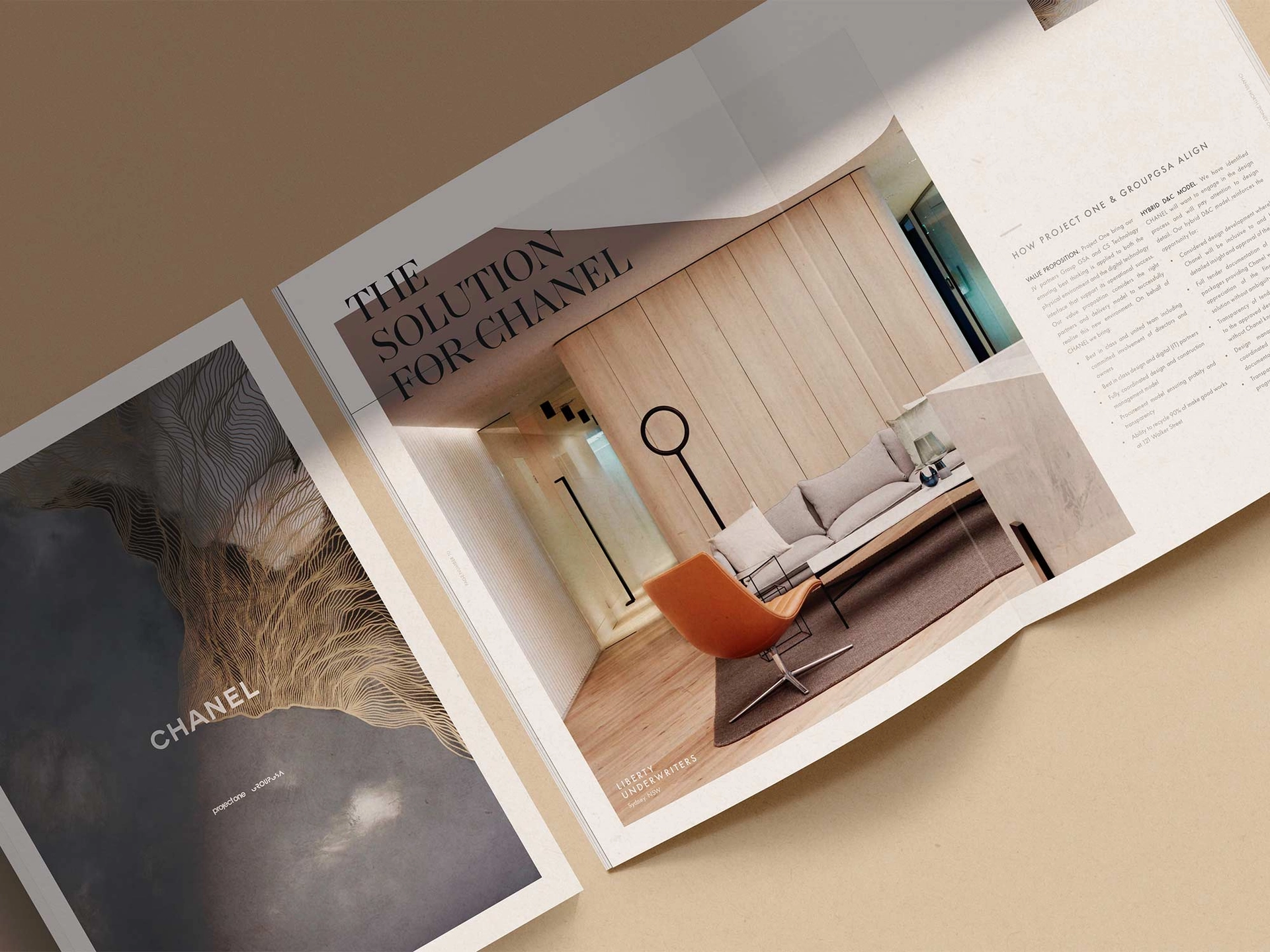
Architecture practices often need to communicate more than aesthetic quality alone. Websites, bid submissions, presentations and environmental graphics all help shape how the practice is understood, whether by clients, collaborators or review panels. A strong system creates consistency across these touchpoints while supporting credibility and design intent.
In architecture, communication often needs to work across both strategic and practical contexts. That can include submission templates, project sheets, proposal documents, signage and digital platforms, all designed to carry the same level of clarity and rigour as the work itself. The goal is not just visual consistency, but a more cohesive and professional studio presence.
From public-facing websites through to presentation material and hoarding graphics, each asset plays a role in building trust and reinforcing the quality of the practice. A stronger approach to brand and digital helps architectural studios present their work clearly, communicate their strengths with confidence and maintain consistency as they grow.
From submissions and templates through to digital rollout, each stage is designed to support clarity, consistency and a stronger studio presence.
Project material, scope, and the 50% deposit are confirmed first, so the strongest proof points are clear before design begins.
Early concepts establish the tone, structure and visual approach, with a focus on how the practice should be represented across both digital and printed touchpoints.
Design systems are developed across priority deliverables such as websites, bid templates, project sheets or environmental graphics, with room for refinement as the work takes shape.
Layouts, templates and digital components are tested for usability, consistency and practical use, ensuring they work well across real content and studio workflows.
After the remaining project fee is paid, final handover packages the refined assets for rollout across digital and studio workflows.